历史时间线 Historical Timeline
Key periods in Yixing pottery history with representative works
Neolithic
-3000--3000 • 1 events
中文 Chinese
宜兴地区的陶器制作起源于新石器时代,距今约5000年。这一时期标志着该地区陶瓷工艺的萌芽,为后世宜兴紫砂陶的发展奠定了基础。
English
Pottery making in the Yixing region originated during the Neolithic period, approximately 5,000 years ago. This era marked the beginning of ceramic craftsmanship in the area, laying the foundation for the later development of Yixing's renowned purple clay pottery.
View detailed events (1)
Song
960-1100 • 2 events
中文 Chinese
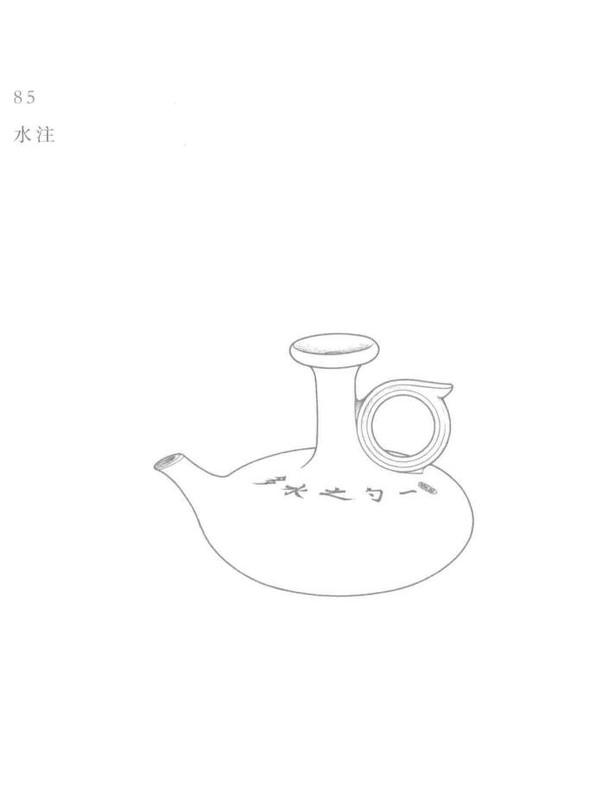
宋代标志着宜兴紫砂陶艺术的起源与初步发展。这一时期出现了最早的紫砂器物,包括提梁壶和桥形把手水注等实用器皿,奠定了紫砂陶艺的基础。
English
The Song Dynasty marked the origin and early development of Yixing purple clay pottery art. This period saw the emergence of the earliest purple clay vessels, including handled pots and bridge-handled water vessels as practical items, establishing the foundation for this ceramic tradition.
View detailed events (2)
Ming
1500-1600 • 6 events
中文 Chinese
明代是宜兴紫砂壶艺术的奠基时期。正德年间供春创制传奇名壶,紫砂发展为独立产业;嘉靖至万历年间工艺持续精进,艺术臻于成熟。时大彬改良制壶技法,确立了文人雅士推崇的小壶风格。
English
The Ming Dynasty was the foundational period for Yixing purple clay teapot art. During the Zhengde period, Gongchun created legendary teapots and purple clay developed into an independent industry; craftsmanship continued to advance through the Jiajing and Wanli periods, reaching artistic maturity. Shi Dabin refined teapot-making techniques, establishing the smaller teapot style favored by scholars and literati.
View detailed events (6)
Qing
1661-Tongzhi and Guangxu periods (1862-1908) • 15 events
中文 Chinese
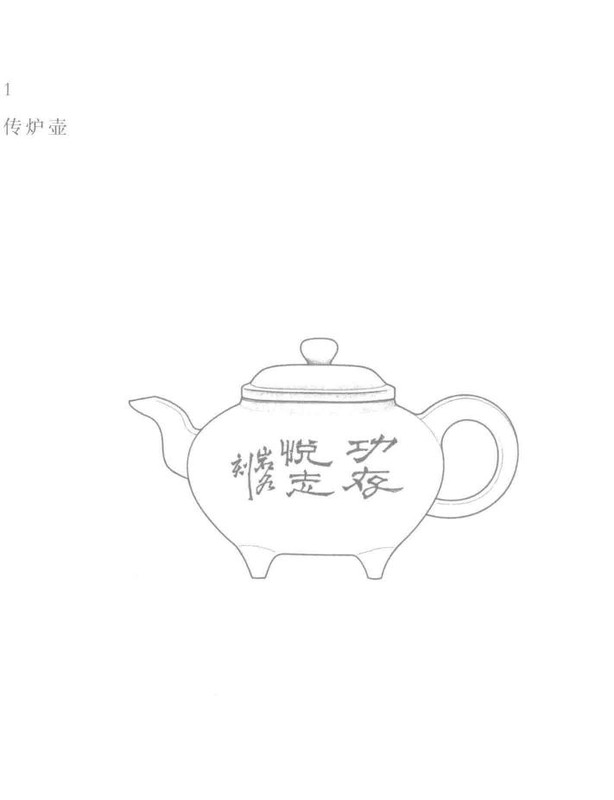
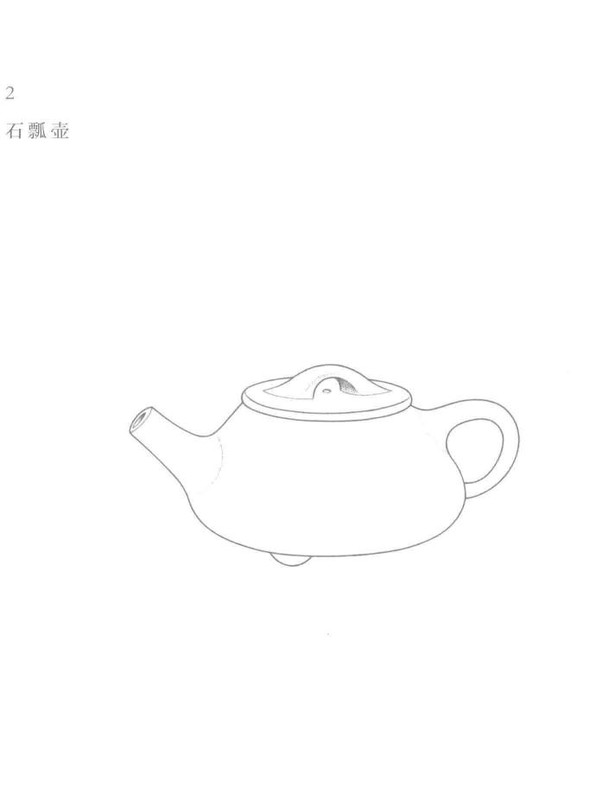
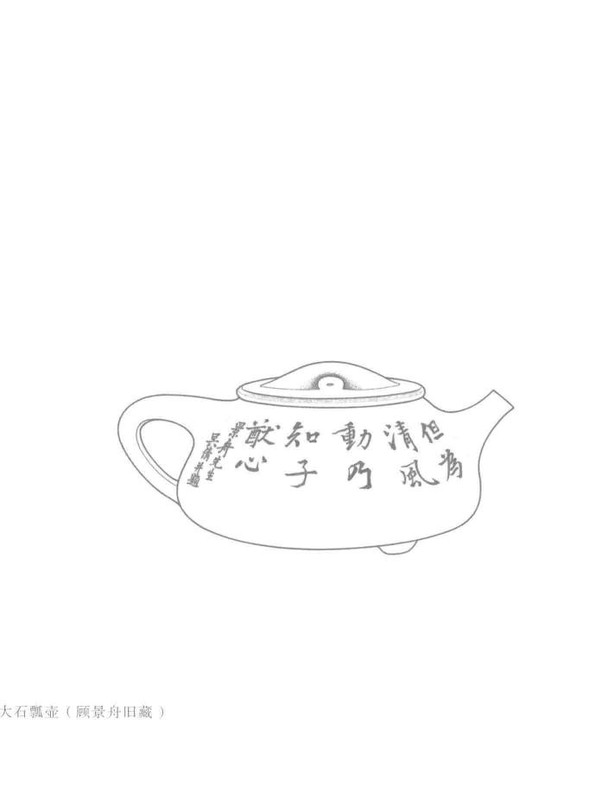
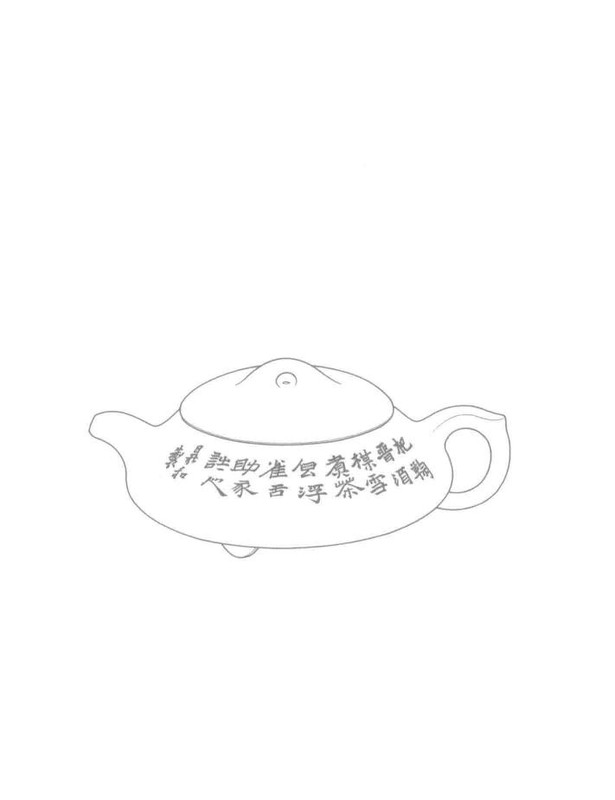
清代紫砂艺术达到巅峰,康熙年间陈鸣远开创自然形制风格,乾隆时期宫廷开始委托制作茶具。19世纪初文人深度参与设计,陈曼生等推动了文人紫砂的发展,而邵大亨的作品影响深远,150年内无人超越。
English
Qing Dynasty marked the pinnacle of Yixing pottery, with Chen Mingyuan pioneering naturalistic styles during the Kangxi period and imperial court commissions beginning under Qianlong. In the early 19th century, scholars like Chen Mansheng deeply influenced teapot design, while Shao Daxiang's masterworks remained unmatched for 150 years.
代表作品 Representative Works (15)
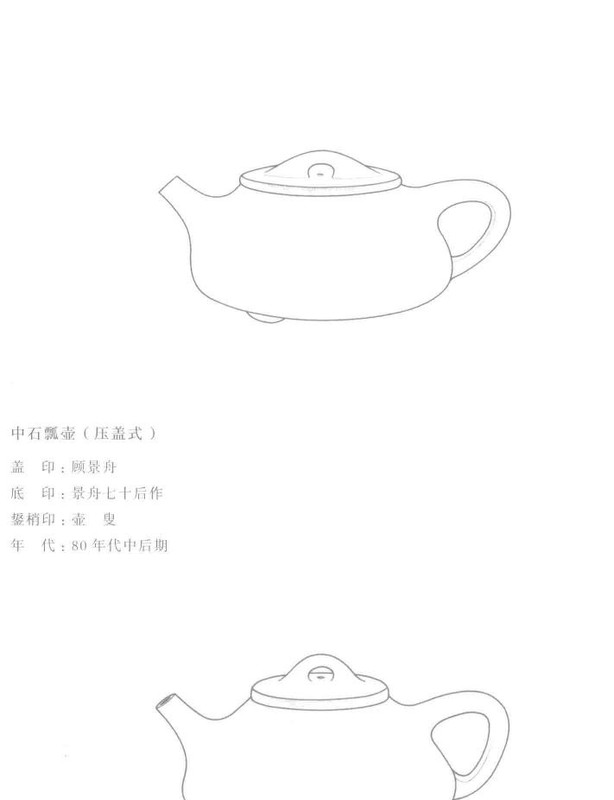
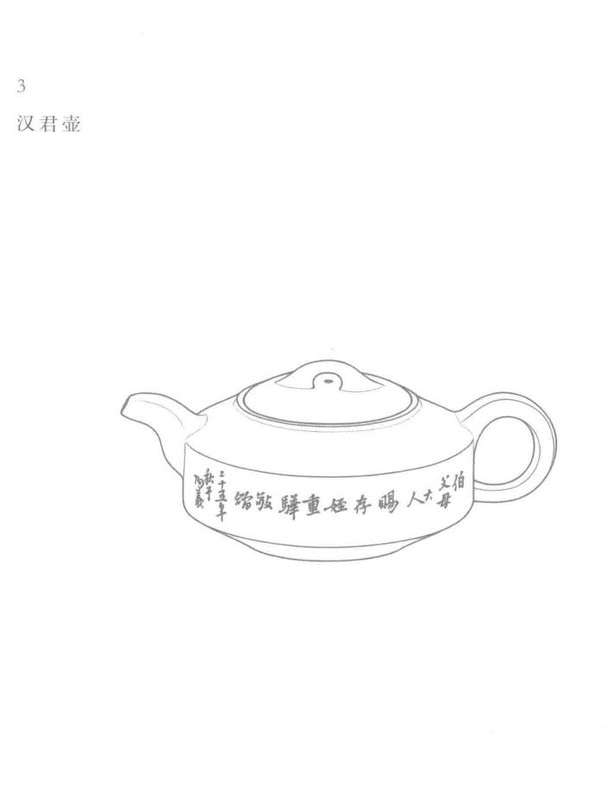
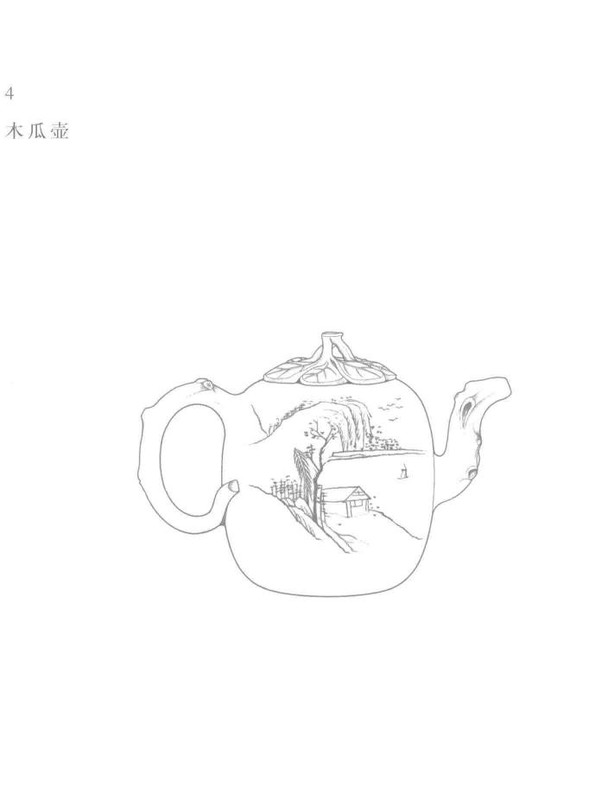
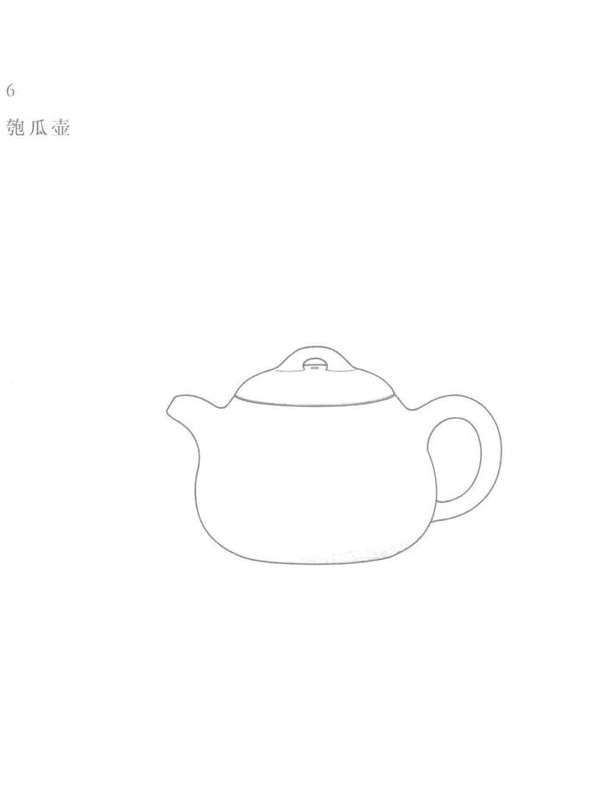
View detailed events (15)
Republic
1915-Republic period (1912-1949) • 60 events
中文 Chinese
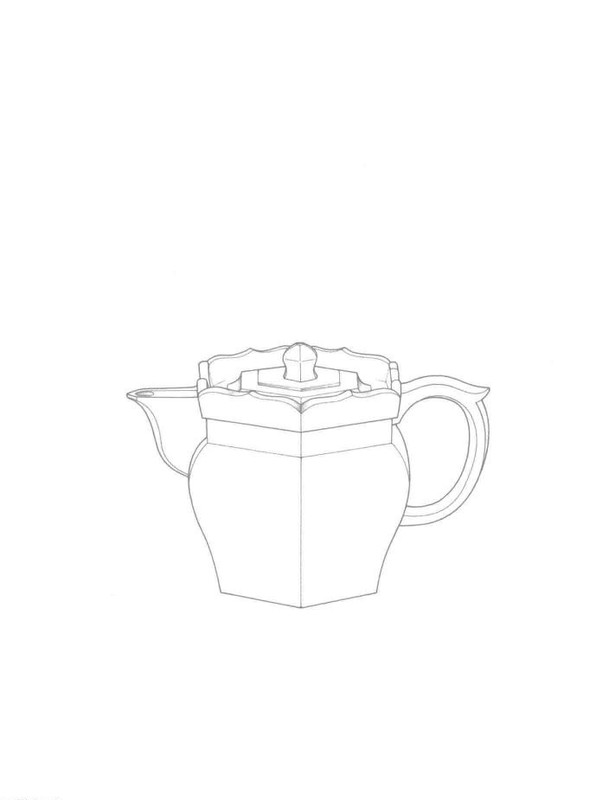
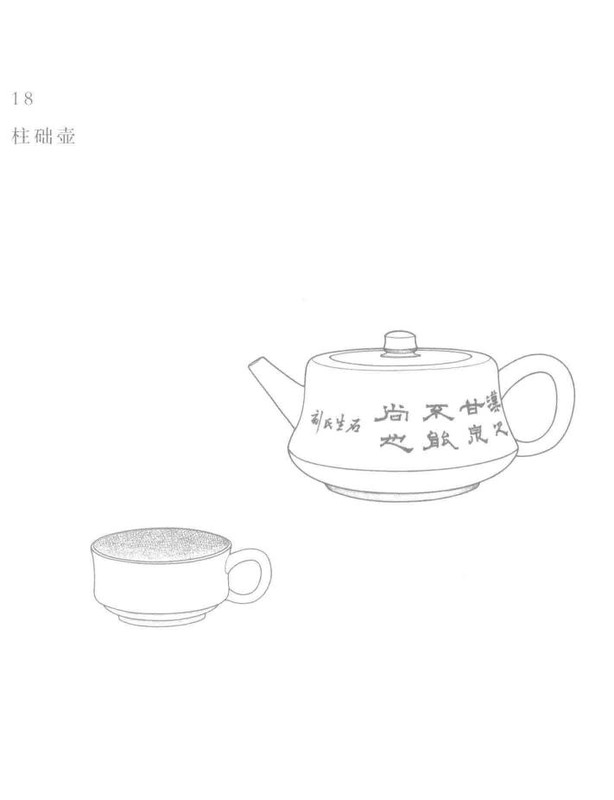
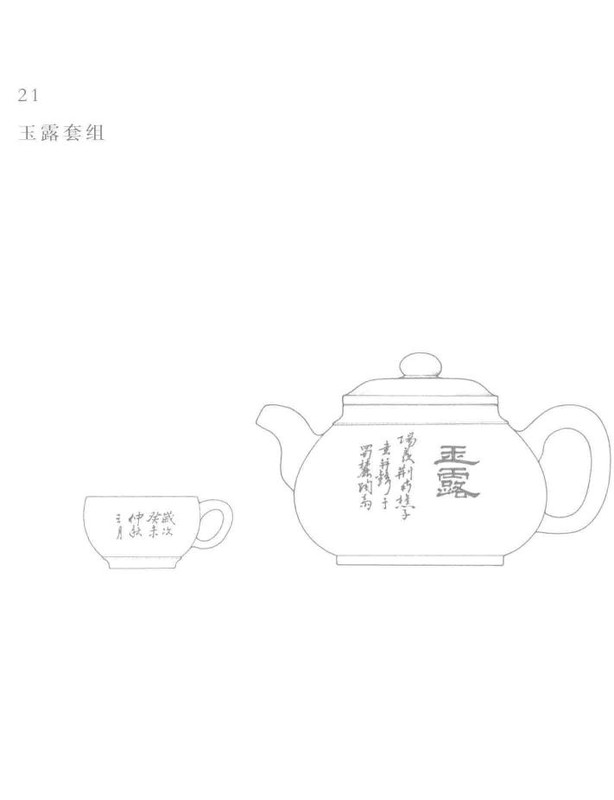
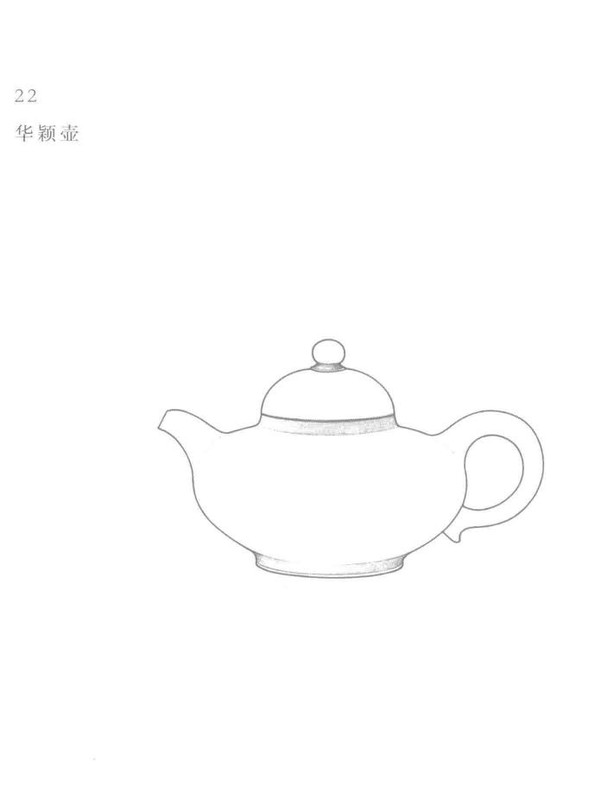
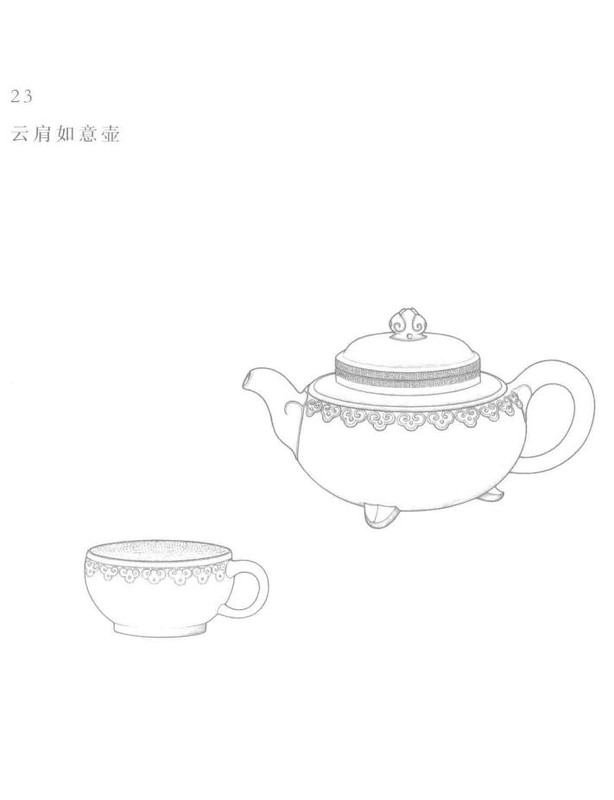
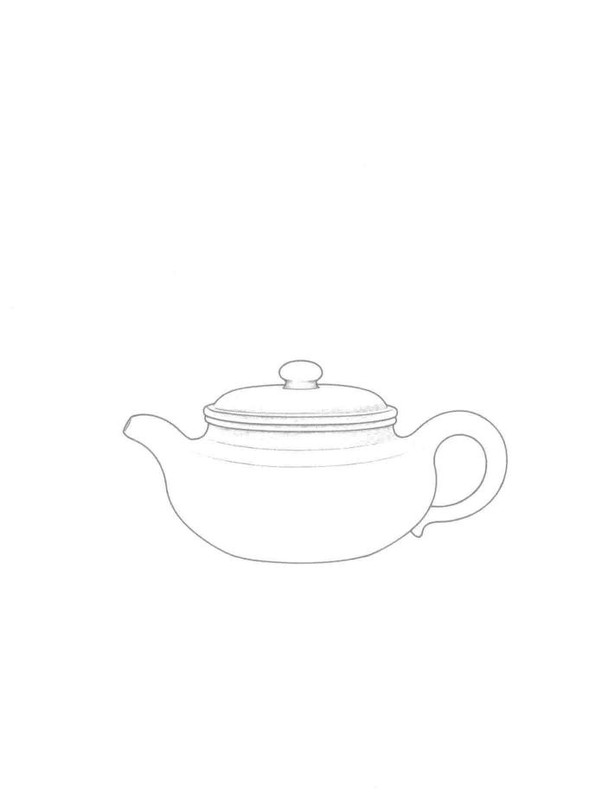
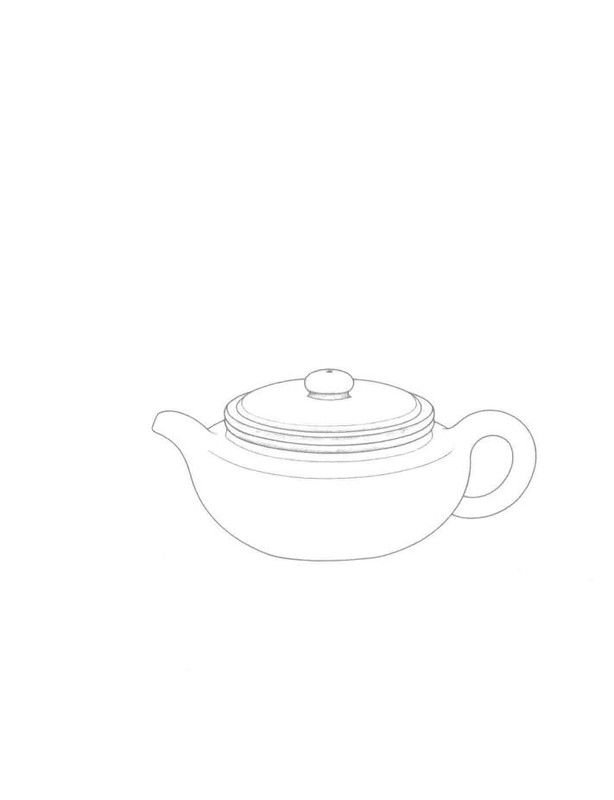
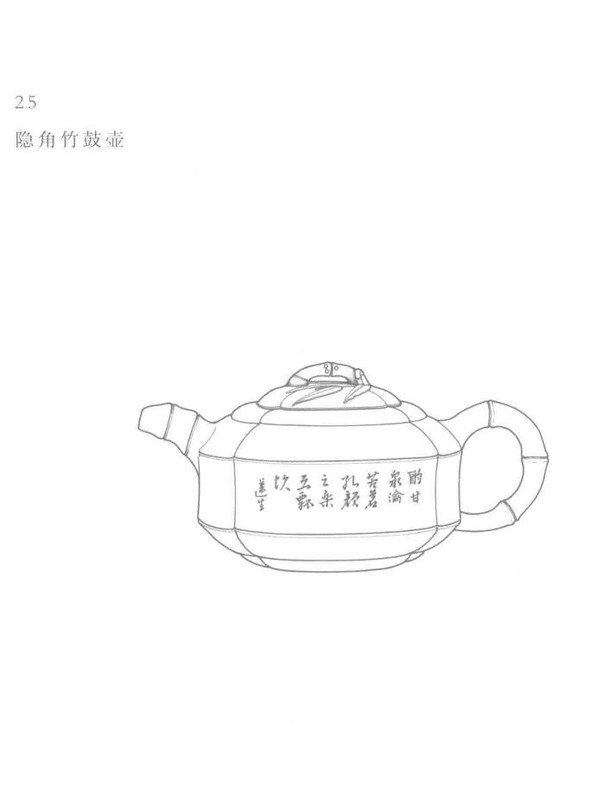
民国时期是宜兴紫砂艺术的重要发展阶段,以顾景舟(1915年生)为代表的艺人创作了大量经典器型,如传炉壶、石瓢壶、竹段壶等。1930-1940年代,顾景舟在上海研习古法并创新技艺,奠定了现代紫砂艺术的基础;1946年为全国省银行会议制作110把纪念壶,标志着紫砂从传统工艺向现代艺术的转型。
English
The Republic period marked a crucial development phase for Yixing pottery, led by master artisan Gu Jingzhou (born 1915), who created iconic forms including the Chuanlu, Stone Ladle, and Bamboo Section pots. During the 1930s-1940s, Gu studied historical techniques in Shanghai while innovating new methods, laying the foundation for modern Yixing art; his commission of 110 commemorative teapots for the 1946 National Provincial Banks Conference symbolized the transition from traditional craft to contemporary artistic expression.
代表作品 Representative Works (26)
View detailed events (60)
PRC
1949-1996 • 42 events
中文 Chinese
新中国成立后,紫砂艺术在顾景舟的引领下进入现代发展阶段。他不仅创作了提壁壶、石瓢壶等经典器型,还与多位艺术家合作创新,并通过建立特艺班培养了新一代紫砂人才。尽管文革期间受到影响,紫砂艺术在改革开放后重新繁荣,走向国际舞台。
English
After the founding of the People's Republic, Yixing pottery entered its modern era under master artisan Gu Jingzhou's leadership. He created iconic forms like the Ti Bi and Stone Ladle teapots, collaborated with renowned artists, and established training programs that cultivated the next generation of craftspeople. Despite disruption during the Cultural Revolution, the art form flourished after reform and opening, gaining international recognition.
代表作品 Representative Works (24)
View detailed events (42)
People's Republic
1950-Around 2000 • 95 events
中文 Chinese
顾景舟在新中国成立后担任技术顾问,培养新一代紫砂人才,并于1988年被授予"中国工艺美术大师"称号。文革期间受迫害,但在改革开放后创作了众多经典作品,与韩美林、刘海粟等艺术家合作,推动紫砂艺术走向国际。1996年顾景舟去世,其作品价值在80-90年代已超过十万元,约2000年突破百万元。
English
Gu Jingzhou served as technical advisor after the founding of the People's Republic, training a new generation of Zisha artisans and receiving the title "Chinese Arts and Crafts Master" in 1988. Despite persecution during the Cultural Revolution, he created numerous masterpieces after reform and opening-up, collaborating with artists like Han Meilin and Liu Haisu to bring Zisha art to international prominence. After his death in 1996, his works' value exceeded 100,000 yuan in the 1980s-90s and surpassed one million yuan around 2000.